 (+91) 7065274718




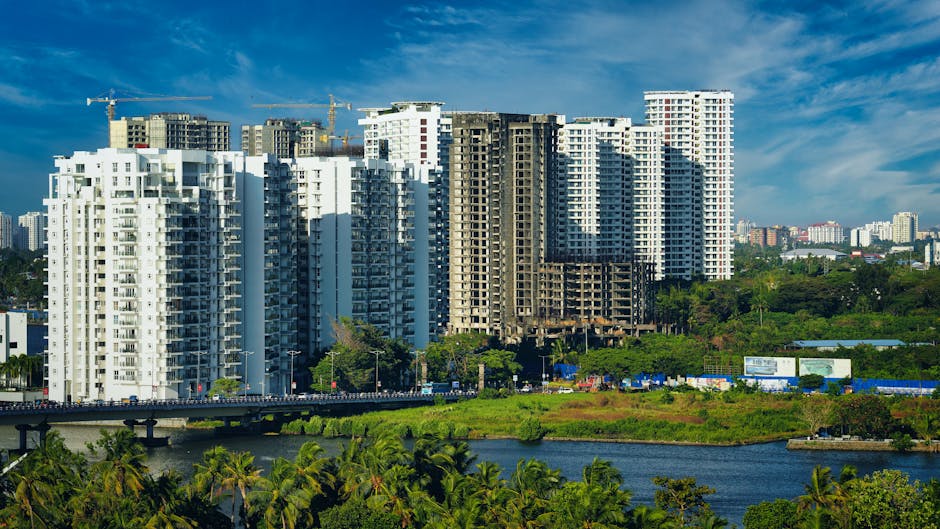
Indian real estate prospects: 2026 Trends & Growth Outlook
Reading time: 12 minutes | Updated 2026
Understanding the dynamic landscape of **Indian real estate prospects** in 2026 is crucial for investors, developers, and businesses aiming for strategic growth in one of the world’s most vibrant economies.
The outlook for Indian real estate prospects in 2026 remains robust, driven by strong economic fundamentals and supportive government policies. Businesses seeking to capitalize on these Indian real estate prospects require precise market insights and verified data.
Ready to access verified real estate contacts? Browse our Indian real estate prospects today.
Table of Contents
- Understanding Indian Real Estate Prospects in 2026
- Navigating Market Dynamics and Investment Strategies
- Leveraging Data for Superior Indian Real Estate Prospects
- Regulatory Landscape and Sustainable Development
- Future Outlook and Strategic Growth Opportunities
- Frequently Asked Questions
- Conclusion
Key Takeaways
- The Indian real estate market is projected for significant growth in 2026, fueled by economic stability, urbanization, and government initiatives.
- Both residential and commercial real estate segments offer diverse investment opportunities, with a notable shift towards affordable housing and Grade A office spaces.
- Leveraging verified B2B databases is critical for identifying high-value Indian real estate prospects and optimizing lead generation efforts.
- Regulatory frameworks like RERA and the DPDP Act are shaping a more transparent and compliant real estate environment, demanding ethical data practices.
- Emerging trends such as sustainable development, digital transformation, and the rise of Tier-2/3 cities present new avenues for strategic expansion and profitability.
Understanding Indian Real Estate Prospects in 2026
The landscape of Indian real estate prospects in 2026 is characterized by robust growth, driven by a confluence of favorable macroeconomic factors and evolving consumer demands. India’s resilient economy, coupled with rapid urbanization and a growing middle class, continues to underpin strong demand across residential, commercial, and industrial segments. Government initiatives such as ‘Housing for All’ and infrastructure development projects further amplify these positive trends, making Indian real estate prospects particularly attractive for both domestic and international investors. The current year sees increased institutional investment, reflecting confidence in the market’s long-term stability and return potential.
Macroeconomic Drivers and Growth Engines
Several macroeconomic drivers are powering the current strength of Indian real estate prospects. India’s projected GDP growth rate, a young demographic, and increasing disposable incomes are fueling consumer spending and investment. Furthermore, a stable interest rate environment and accessible home loan options make property ownership more attainable. Large-scale infrastructure projects, including new airports, highways, and smart cities, are not only enhancing connectivity but also creating new real estate hubs, significantly improving Indian real estate prospects in previously underserved areas. This infrastructural push supports both residential and commercial development, attracting businesses and residents alike.
Emerging Market Segments and Investment Hotspots
Beyond the traditional metro cities, emerging market segments and investment hotspots are defining the future of Indian real estate prospects. Tier-2 and Tier-3 cities are witnessing a surge in demand, driven by reverse migration, improved connectivity, and the establishment of IT and manufacturing hubs. Affordable housing continues to be a high-growth segment, supported by government subsidies and developer focus. Additionally, specialized real estate, such as warehousing, logistics parks, and data centers, is experiencing unprecedented growth due to the e-commerce boom and digital transformation. These niche areas offer compelling Indian real estate prospects for specialized investors looking beyond conventional assets.
Navigating Market Dynamics and Investment Strategies
Navigating the complex market dynamics of Indian real estate requires a nuanced understanding of various segments and a strategic approach to investment. The real estate sector is not monolithic; it comprises distinct sub-markets, each with its own demand-supply characteristics, regulatory nuances, and growth trajectories. Investors and developers must carefully analyze these dynamics to identify the most promising opportunities and mitigate risks. The ongoing digital transformation is also reshaping how properties are bought, sold, and managed, necessitating adaptive strategies for all stakeholders in the real estate value chain. Understanding these shifts is key to unlocking potential in the Indian real estate market.
Residential vs. Commercial Real Estate Trends
The trends in residential and commercial real estate in India often diverge, presenting different risk-reward profiles. Residential real estate, while benefiting from affordability and aspirational buying, faces challenges such as inventory overhang in some micro-markets. However, the demand for mid-income and luxury housing is stable, especially in established urban centers. Commercial real estate, particularly Grade A office spaces, continues its robust recovery, driven by the expansion of IT/ITeS, BFSI, and co-working sectors. Retail real estate is also evolving, with a focus on experiential centers and mixed-use developments. Understanding these distinct trends is vital for any entity engaging with the broader “real estate” cluster.
| Feature | Residential Real Estate | Commercial Real Estate | Warehousing/Logistics |
|---|---|---|---|
| Primary Drivers | Affordability, urbanization, rising incomes, nuclear families | Corporate expansion, IT/ITeS growth, flexible workspaces | E-commerce boom, manufacturing growth, supply chain optimization |
| Investment Outlook | Stable, moderate returns; high demand in mid-income & luxury | Strong, high returns; Grade A office spaces performing well | Very strong, high growth; significant institutional interest |
| Key Challenges | Inventory overhang, project delays, regulatory complexities | Vacancy rates in certain sub-markets, economic slowdown impact | Land acquisition, infrastructure bottlenecks, last-mile connectivity |
| Emerging Trends | Sustainable housing, smart homes, integrated townships | Hybrid work models, wellness-focused offices, PropTech integration | Automated warehouses, cold chain logistics, multi-modal hubs |
| Target Audience | Homebuyers, individual investors, NRIs | Corporations, startups, REITs, institutional investors | E-commerce giants, manufacturers, 3PL providers, investors |
The Rise of Digital Transformation in Property
Digital transformation is profoundly impacting the entire “real estate” ecosystem. From property search platforms and virtual tours to blockchain-backed transactions and AI-powered analytics, technology is streamlining processes and enhancing transparency. PropTech (Property Technology) startups are innovating across various sub-segments, offering solutions for property management, financing, construction, and sales. This digital shift provides immense opportunities for businesses to reach a wider audience, optimize operations, and make data-driven decisions. Embracing these technological advancements is no longer optional but a necessity for staying competitive in the dynamic Indian real estate market.
Leveraging Data for Superior Indian Real Estate Prospects
In the fiercely competitive Indian real estate market, leveraging accurate and verified data is no longer a luxury but a fundamental necessity for identifying and converting superior Indian real estate prospects. Businesses that rely on outdated or unverified information risk wasted resources, missed opportunities, and ultimately, a significant competitive disadvantage. The ability to pinpoint the right developers, investors, property managers, or high-net-worth individuals at the right time can be the decisive factor in securing deals and driving growth. This is where specialized B2B databases become indispensable tools, offering a strategic edge in a market brimming with potential.
Identifying High-Value Prospects with Precision
For any business operating within the real estate sector – be it construction material suppliers, financial institutions, marketing agencies, or PropTech firms – the challenge lies in precisely identifying high-value Indian real estate prospects. Generic lists simply won’t suffice. What’s needed is granular data that includes contact information, company profiles, project details, investment capacities, and operational focus. This level of detail allows for highly targeted outreach, ensuring that sales and marketing efforts are directed towards entities most likely to convert. For instance, a construction firm can target developers working on large-scale residential projects, while a financing company can reach out to mid-sized commercial property investors. BizPromo Databases provides the tools for this precision. B2B Lead Generation Databases India are specifically designed for this purpose.
The Critical Role of Verified B2B Databases
The accuracy and freshness of B2B contact data are paramount. Industry statistics indicate that B2B contact data decays by 20-30% annually, making continuous data validation crucial. Relying on outdated information can lead to significant operational inefficiencies and a poor return on investment for marketing campaigns. This highlights the critical role of verified B2B databases, like those offered by BizPromo. Our databases are meticulously curated and regularly updated, ensuring that you have access to the most current and reliable contact information for Indian real estate prospects. This allows businesses to connect directly with decision-makers, nurture relationships, and convert leads more effectively. For businesses looking to expand their reach, exploring options like Business Email Databases India can be incredibly beneficial. Reliable data empowers your sales and marketing teams to execute campaigns with confidence, reaching the right individuals at the right time. Our B2B Prospect Databases India are built to deliver this exact advantage. For deeper insights into industry players, resources like Dun & Bradstreet also emphasize the importance of accurate business data. To delve into a comprehensive list of sector-specific contacts, consider our real estate database India.
Regulatory Landscape and Sustainable Development
The Indian real estate sector operates within an evolving regulatory landscape, which plays a pivotal role in shaping investment decisions, market practices, and ultimately, the long-term viability of projects. Compliance with these regulations is not just a legal obligation but also a strategic imperative for building trust and ensuring sustainable growth. Simultaneously, the global push towards environmental, social, and governance (ESG) principles is profoundly impacting development strategies, with sustainable practices becoming a key differentiator for real estate projects across the country. Understanding and adapting to these dual forces is essential for all stakeholders.
Impact of RERA and DPDP Act on Real Estate
The Real Estate (Regulation and Development) Act, 2016 (RERA), has been a game-changer for the Indian real estate sector, bringing much-needed transparency, accountability, and consumer protection. RERA mandates project registration, timely completion, and adherence to quality standards, significantly boosting buyer confidence and attracting more organized players. In tandem, the Digital Personal Data Protection Act, 2023 (DPDP Act), has introduced stringent regulations regarding the collection, processing, and storage of personal data. For real estate businesses, this means a heightened focus on data privacy in all interactions, from lead generation to customer management. Compliance with the DPDP Act is crucial to avoid penalties and maintain ethical data practices, especially when dealing with databases of potential buyers or investors.
Green Buildings and ESG Compliance
The concept of green buildings and broader ESG (Environmental, Social, and Governance) compliance is rapidly gaining traction in Indian real estate. Developers are increasingly incorporating sustainable design, energy-efficient materials, and waste management systems into their projects. This shift is driven by a combination of factors: growing environmental awareness among buyers, government incentives for green construction, and the demand from institutional investors for ESG-compliant assets. Projects with green certifications often command a premium and attract a specific segment of environmentally conscious buyers and tenants. Embracing sustainable development practices is not just about regulatory compliance but also about enhancing brand reputation and future-proofing investments in the “real estate” market.
Pro Tip: When sourcing B2B data for Indian real estate prospects, always verify the provider’s DPDP Act compliance. This ensures your marketing efforts are ethical and legally sound, protecting your business from potential liabilities.
Future Outlook and Strategic Growth Opportunities
The future outlook for Indian real estate prospects remains overwhelmingly positive, marked by continuous innovation, evolving investment patterns, and the emergence of new growth corridors. As India progresses on its path to becoming a global economic powerhouse, the real estate sector will undoubtedly play a pivotal role. Strategic growth opportunities will arise from addressing unmet demands, adopting advanced technologies, and focusing on sustainable and inclusive development models. Businesses that anticipate these shifts and position themselves strategically will be best placed to capitalize on the lucrative potential of the Indian real estate market.
NRI Investment and Global Appeal
Non-Resident Indian (NRI) investment continues to be a significant driver for Indian real estate prospects. NRIs are increasingly looking to invest in their home country, drawn by strong economic growth, favorable exchange rates, and the emotional connection to their roots. This segment often prefers properties in established metro cities or their hometowns, focusing on luxury apartments, villas, and plotted developments. The government’s supportive policies and the transparency brought by RERA further bolster NRI confidence. The global appeal of Indian real estate is also expanding beyond the diaspora, attracting institutional funds and foreign direct investment (FDI) into large-scale projects and REITs (Real Estate Investment Trusts), signaling long-term trust in the market’s stability and returns. Organizations like CREDAI actively work to promote transparency and growth in the sector, which further enhances global appeal.
Tier-2/3 Cities as Growth Hubs
While metro cities remain important, Tier-2 and Tier-3 cities are rapidly emerging as dynamic growth hubs for Indian real estate prospects. Factors such as lower property costs, improving infrastructure, government focus on regional development, and the decentralization of industries are making these cities attractive for both residential and commercial development. Businesses are finding it more cost-effective to set up operations in these regions, leading to job creation and a subsequent rise in housing demand. The development of IT parks, educational institutions, and manufacturing zones in cities like Pune, Ahmedabad, Lucknow, and Coimbatore is creating new micro-markets with substantial growth potential. Identifying and targeting these burgeoning markets with precise data on Indian real estate prospects can unlock significant early-mover advantages for investors and developers.
Looking for verified real estate contacts? Get instant access — trusted by 5,000+ Indian businesses.
Frequently Asked Questions About Indian real estate prospects
1. What Is Indian real estate prospects?
Indian real estate prospects refer to the future potential, trends, and investment opportunities within India’s property market. This encompasses various segments like residential, commercial, retail, warehousing, and emerging asset classes. It involves analyzing macroeconomic indicators, government policies, demographic shifts, and technological advancements to forecast growth, identify risks, and strategize for optimal engagement with the diverse Indian real estate prospects across different regions and property types.
2. How Does BizPromo Comply With DPDP Act for Real Estate Data?
BizPromo Databases strictly adheres to the Digital Personal Data Protection Act, 2023 (DPDP Act). We ensure that all personal data within our real estate databases is collected, processed, and stored with explicit consent and in compliance with the Act’s provisions. Our processes include robust data anonymization where applicable, secure storage, and clear consent mechanisms, guaranteeing that our clients can use our data ethically and legally to target Indian real estate prospects without infringing on individual privacy rights.
3. How does BizPromo ensure the quality and accuracy of its real estate prospect data?
BizPromo employs a multi-layered approach to ensure data quality and accuracy. This includes continuous data validation through automated tools and manual verification by our dedicated team. We cross-reference information from multiple reliable sources, regularly update contact details, and remove outdated or inaccurate entries. Our commitment to data hygiene means you receive fresh, actionable data, minimizing bounce rates and maximizing the effectiveness of your outreach to potential real estate leads.
4. What kind of ROI can businesses expect from using BizPromo’s real estate databases?
Businesses using BizPromo’s real estate databases often find a significant increase in lead conversion rates and a reduction in customer acquisition costs. By providing highly targeted and verified Indian real estate prospects, our databases enable more efficient sales and marketing campaigns, leading to higher ROI. Businesses could see improved engagement, better campaign performance, and ultimately, accelerated revenue growth by focusing their efforts on genuinely interested and qualified leads.
5. How can I effectively use BizPromo’s real estate prospects for my outreach campaigns?
To effectively use BizPromo’s Indian real estate prospects, segment your target audience based on specific criteria like location, project type, investment capacity, or role. Craft personalized messages that address their unique needs and pain points. Utilize multi-channel outreach strategies, combining email marketing with direct calls or LinkedIn outreach. Our verified data ensures your messages reach the right decision-makers, significantly improving your campaign’s success rate and engagement.
6. How often is the Indian real estate prospect data updated on BizPromo?
BizPromo’s Indian real estate prospect data is updated on a continuous and rolling basis. Our dedicated team works tirelessly to ensure the freshness and accuracy of our databases, with major updates and validations performed regularly, typically quarterly or as significant market changes occur. This proactive approach ensures that our clients always have access to the most current information, mitigating the impact of data decay and providing reliable insights into Indian real estate prospects.
7. How do I get started with accessing BizPromo’s Indian real estate prospects?
Getting started with BizPromo’s Indian real estate prospects is simple. Visit our website, browse our industry-wise B2B databases, and select the real estate sector. You can then choose a package that best suits your business needs and budget. Our team is also available to provide personalized consultations to help you identify the most relevant data sets for your specific goals. Request access to our verified Indian real estate prospects today.
Conclusion
The outlook for Indian real estate prospects in 2026 is undeniably bright, characterized by robust growth, diverse investment opportunities, and a maturing regulatory environment. To truly capitalize on this potential, businesses must move beyond conventional approaches and embrace data-driven strategies. Access to verified, high-quality B2B databases is the cornerstone of successful lead generation, enabling precise targeting and efficient resource allocation to engage with genuine Indian real estate prospects. By aligning with market trends, understanding regulatory nuances, and leveraging superior data, stakeholders can unlock unparalleled growth in this dynamic sector.
Ready to accelerate your real estate sales? Request access to our verified Indian real estate prospects today.
4 thoughts on “Indian real estate prospects: 2026 Trends & Growth Outlook”