 (+91) 7065274718



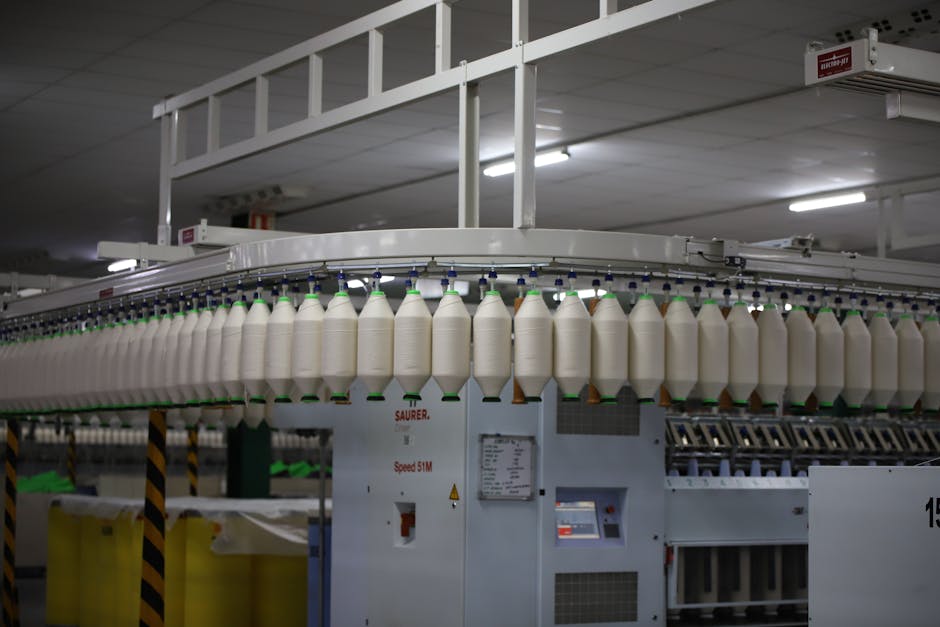
Textiles Industry database India: 7 Essential Strategies for Growth
Reading time: 10 minutes | Updated 2026
The global B2B market is projected to reach $25.65 trillion by 2027, with India playing a pivotal role in this expansion. Navigating this landscape requires precise tools, and a robust Textiles Industry database India is your strategic asset for unlocking unparalleled growth opportunities in this dynamic sector.
Ready to access verified Textiles Industry contacts? Browse our Textiles Industry database India and connect with decision-makers today.
Table of Contents
- What Is a Textiles Industry database India and Why Is It Crucial?
- Types of Textiles Industry Databases in India
- How to Evaluate Textiles Industry Database Quality
- How to Use Textiles Industry database India for B2B Outreach
- The Indian Textiles Industry Landscape in 2026
- Compliance and Data Protection in India
- Frequently Asked Questions
- Conclusion
Key Takeaways
- A comprehensive Textiles Industry database India provides verified contacts and critical market intelligence.
- High-quality, regularly updated B2B directories are essential for effective lead generation and sales.
- Leveraging this data asset enables targeted marketing campaigns and personalized outreach.
- Compliance with India’s DPDP Act is paramount when acquiring and using business email databases.
- The Indian textiles sector offers immense growth potential, ripe for strategic B2B engagement.
What Is a Textiles Industry database India and Why Is It Crucial?
A Textiles Industry database India is a meticulously compiled collection of B2B contact information and company profiles specific to the Indian textile sector. This includes manufacturers, suppliers, exporters, importers, distributors, and service providers across various sub-segments like apparel, home furnishings, technical textiles, and raw materials. It serves as a vital resource for businesses seeking to engage with key stakeholders in this diverse industry.
This comprehensive database offers more than just names and numbers. It often includes details such as company size, product categories, annual turnover, key decision-maker contacts (e.g., CEOs, purchasing managers, marketing heads), and geographical locations. Such granular data empowers businesses to segment their target audience effectively and tailor their outreach strategies for maximum impact.
The Indian textiles sector is a cornerstone of the national economy, contributing significantly to industrial output, employment, and exports. For any business aiming to sell products or services to this industry, be it machinery, software, logistics, or consulting, a specialized contact database is indispensable. It streamlines the lead generation process, saving valuable time and resources that would otherwise be spent on manual research. Access to a robust Industry Wise B2B Databases India ensures you connect directly with relevant prospects.
Without such a targeted resource, marketing and sales efforts risk being unfocused and inefficient. Imagine a textile machinery manufacturer trying to identify potential buyers in a vast market like India. A verified contact database provides a direct pathway to decision-makers, bypassing general directories and cold calling lists that often yield low conversion rates. It’s about precision targeting in a competitive environment.
Types of Textiles Industry Databases in India
The landscape of B2B data for the Indian textiles sector is varied, offering different types of databases tailored to specific needs. Understanding these distinctions is crucial for selecting the right tool for your business objectives. Each type brings unique strengths to the table, impacting how you approach your B2B marketing and sales efforts.
Here are the primary types of databases available:
- Company Directories: These typically list basic company information such as name, address, phone number, and website. They are useful for broad market research but often lack specific contact details for decision-makers.
- Contact Databases: These are more detailed, providing names, job titles, email addresses, and direct phone numbers of key personnel within textile companies. This is ideal for direct outreach campaigns.
- Industry-Specific Databases: These focus exclusively on the textiles sector, offering deep insights into sub-segments like garment manufacturing, yarn production, or technical textiles. They provide a highly relevant list for specialized suppliers.
- Exporter/Importer Databases: Specifically curated for businesses involved in international trade, these lists identify companies engaged in exporting or importing textile products and raw materials. Access to Exporter Importer Databases India can open global opportunities.
- Manufacturer Contact Databases: These lists zero in on textile manufacturers, providing contacts for procurement, production, and sales departments. This is invaluable for suppliers of raw materials, machinery, or industrial services.
Each type serves a distinct purpose. For instance, a company looking to sell a new ERP system to textile mills would benefit most from a contact database with decision-maker emails, whereas a raw material supplier might prioritize a manufacturer contact database. The quality and depth of information vary significantly between providers, so careful evaluation is essential.
How to Evaluate Textiles Industry Database Quality
The effectiveness of your B2B outreach hinges on the quality of your data. A poorly maintained or inaccurate Textiles Industry database India can lead to wasted resources, frustrated sales teams, and damaged brand reputation. Therefore, rigorous evaluation is a non-negotiable step before making a purchase. Investing in a high-quality database is an investment in your sales and marketing efficiency.
Consider the following critical factors:
- Data Accuracy and Freshness: B2B contact data decays rapidly. According to Dun & Bradstreet, B2B contact data decays by 20–30% annually. Ensure the database provider has robust data verification and update processes. Ask about their update frequency and methods.
- Data Depth and Specificity: Does the database provide more than just basic contact details? Look for information on job titles, company size, revenue, product lines, and technology used. The more specific the data, the better your targeting capabilities.
- Compliance with Regulations: Verify that the data has been collected and maintained in compliance with relevant data protection laws, especially India’s DPDP Act. This is crucial for avoiding legal issues and maintaining ethical standards.
- Segmentation Capabilities: A good database allows you to filter and segment contacts based on various criteria. This enables highly targeted campaigns, ensuring your message reaches the most relevant audience within the textiles sector.
- Source of Data: Understand how the data is collected. Reputable providers use a mix of public records, proprietary research, and partnerships, ensuring legitimacy and accuracy. Avoid providers offering data from questionable sources.
- Customer Support and Reviews: Check for responsive customer support and positive client testimonials. A provider’s reputation for service can indicate the reliability of their data and ongoing support.
Here’s a comparison of common database features:
| Feature | Basic Directory | Standard Contact Database | Premium Textiles Industry Database |
|---|---|---|---|
| Company Name & Address | Yes | Yes | Yes |
| Website & Phone | Yes | Yes | Yes |
| Key Decision-Maker Names | No | Limited | Extensive |
| Direct Email Addresses | Rarely | Yes | Yes |
| Job Titles & Departments | No | Basic | Detailed |
| Company Size (Employees/Revenue) | Limited | Some | Detailed |
| Product/Service Categories | Broad | Specific | Highly Granular |
| Data Update Frequency | Irregular | Quarterly | Monthly/Quarterly |
| DPDP Act Compliance | Uncertain | Claimed | Verified & Guaranteed |
How to Use Textiles Industry database India for B2B Outreach
Once you have acquired a high-quality Textiles Industry database India, the next step is to leverage it effectively for your B2B outreach. This involves a strategic approach to marketing, sales, and business development. Simply having the data is not enough; you must know how to transform it into actionable insights and successful campaigns. This data asset is a powerful tool for growth.
Here are essential strategies for maximizing your database’s potential:
- Targeted Email Marketing: Segment your database based on criteria like job title, company size, or specific textile sub-sector. Craft personalized email campaigns that address the unique pain points and interests of each segment. This increases open rates and engagement.
- Personalized Cold Calling: Equip your sales team with detailed company and contact information. Instead of generic scripts, they can initiate conversations with context, demonstrating an understanding of the prospect’s business. This builds rapport faster.
- LinkedIn Outreach: Use the database to find decision-makers on LinkedIn. Connect with them and engage in professional conversations, sharing valuable content relevant to their roles and the textiles industry. This is excellent for relationship building.
- Market Research and Analysis: The database isn’t just for outreach; it’s a goldmine for market intelligence. Analyze trends, identify emerging segments, and understand the competitive landscape within the Indian textiles industry. This informs your overall business strategy.
- Account-Based Marketing (ABM): For high-value targets, develop highly customized ABM strategies. Use the detailed information from your database to create bespoke content and outreach efforts that resonate deeply with specific accounts.
Pro Tip: Integrate your Textiles Industry database India with your CRM system. This allows for seamless lead tracking, campaign management, and performance analysis, ensuring no valuable interaction is lost and your sales pipeline remains robust.
Consider a real-world scenario: A company, “TechnoWeave Solutions,” specializes in advanced automation software for textile weaving units. Using a premium Textiles Industry database India, they can filter for weaving units with over 200 employees, located in specific textile hubs like Surat or Tirupur, and identify key decision-makers such as Production Managers or CIOs. This enables them to launch a highly targeted campaign, showcasing how their software specifically addresses the efficiency and cost-saving challenges faced by these large weaving operations. This precision leads to higher conversion rates compared to broad-stroke marketing.
Looking for verified Textiles Industry contacts? Get instant access to our Textiles Industry database India — trusted by 5,000+ Indian businesses.
The Indian Textiles Industry Landscape in 2026
The Indian Textiles Industry is a vibrant and continually evolving sector, marked by significant government initiatives and a strong focus on sustainability and innovation. As of 2026, the industry continues to be a major contributor to India’s GDP, employment, and export earnings. Understanding its current dynamics is crucial for any business looking to engage with this market using a targeted B2B prospect database.
Key trends and developments shaping the industry include:
- Government Support: Schemes like the Production Linked Incentive (PLI) scheme for textiles and the PM MITRA (Mega Integrated Textile Region and Apparel) Parks are driving investment and infrastructure development. These initiatives aim to boost manufacturing capacity and enhance competitiveness.
- Focus on Technical Textiles: There’s a growing emphasis on technical textiles, which are used in various sectors like automotive, healthcare, defense, and agriculture. This segment offers high growth potential and attracts significant R&D.
- Sustainability and Circular Economy: Indian textile companies are increasingly adopting sustainable practices, including water conservation, waste reduction, and the use of eco-friendly materials. This aligns with global consumer demand and regulatory pressures.
- Digital Transformation: Automation, AI, and IoT are being integrated into manufacturing processes to improve efficiency, quality, and supply chain management. This creates opportunities for technology providers.
- Export Orientation: India remains a major global exporter of textiles and apparel. Companies are exploring new markets and strengthening their presence in traditional ones, supported by trade agreements and promotional activities by bodies like FICCI.
This dynamic environment means new players are emerging, and existing ones are expanding or modernizing. A well-curated B2B Prospect Databases India allows businesses to keep pace with these changes. It helps identify companies that are investing in new technology, expanding their capacities, or seeking new partnerships, making it an invaluable tool for strategic business development. Staying updated with industry shifts ensures your outreach remains relevant and impactful.
Compliance and Data Protection in India
In the digital age, data privacy and compliance are paramount, especially when dealing with a Textiles Industry database India. The regulatory landscape in India has evolved significantly, with the Digital Personal Data Protection Act (DPDP Act) of 2023 setting stringent standards for how personal data is collected, processed, and stored. Businesses must navigate these regulations carefully to avoid legal penalties and maintain trust with their prospects.
Key aspects of the DPDP Act relevant to B2B databases include:
- Consent: Obtaining clear and informed consent from individuals before processing their personal data is crucial. While B2B data often involves company contacts, individual email addresses and phone numbers fall under personal data.
- Purpose Limitation: Data should only be collected for a specified, clear, and lawful purpose. Using a database for purposes beyond what was originally consented to is prohibited.
- Data Minimization: Collect only the data that is necessary for the stated purpose. Avoid collecting excessive or irrelevant information.
- Data Security: Implement robust security measures to protect personal data from breaches, unauthorized access, and misuse.
- Data Principal Rights: Individuals have rights to access, correct, and erase their data. Database providers and users must facilitate these rights.
For any business utilizing a B2B database, it is essential to partner with providers who explicitly state their compliance with the DPDP Act and other relevant Indian laws. This includes ensuring the data has been ethically sourced and that mechanisms for consent and opt-out are in place. Transparency in data practices builds confidence and fosters long-term relationships.
Furthermore, businesses themselves must implement internal policies and training to ensure their sales and marketing teams use the data responsibly. This includes adhering to internal data handling protocols, respecting opt-out requests, and regularly auditing their data usage practices. Compliance is not a one-time task but an ongoing commitment to ethical data stewardship.
Frequently Asked Questions About Textiles Industry database India
1. What Is Textiles Industry database India and Why Do Indian Businesses Need It?
A Textiles Industry database India is a comprehensive collection of B2B contact and company information for the Indian textile sector. Indian businesses need it to efficiently identify, target, and connect with key decision-makers across manufacturers, suppliers, and distributors. This resource streamlines lead generation, enables targeted marketing campaigns, and helps uncover new business opportunities, driving growth in a highly competitive market.
2. How Does Textiles Industry database India Comply With Indian Data Regulations?
A reputable Textiles Industry database India provider ensures compliance with Indian data regulations, particularly the Digital Personal Data Protection Act (DPDP Act) of 2023. This involves collecting data ethically, obtaining necessary consent, ensuring data security, and respecting data principal rights. BizPromo Databases adheres to these standards, providing lawfully sourced data for B2B engagement while safeguarding privacy.
3. How Can I Ensure the Quality and Accuracy of a Textiles Industry Database?
To ensure quality, look for providers who offer transparent data collection methods, frequent updates, and verification processes. Inquire about their data decay management strategies. A reliable Textiles Industry database will provide detailed, segmented information and have positive client testimonials. Always prioritize providers that emphasize data freshness and accuracy over sheer volume.
4. What Is the ROI of Investing in a Textiles Industry database India for My Business?
Investing in a high-quality Textiles Industry database India yields significant ROI by increasing sales efficiency and reducing marketing costs. It enables precise targeting, leading to higher conversion rates and faster sales cycles. By connecting directly with relevant decision-makers, businesses save time on manual research and cold outreach, directly translating to improved revenue generation and market penetration.
5. What Are the Best Practices for Using a Textiles Industry Database for Outreach?
Best practices include segmenting your database for personalized campaigns, crafting tailored messages for specific roles, and integrating the data with your CRM. Utilize the Textiles Industry database India for multi-channel outreach including email, calls, and LinkedIn. Always focus on providing value and building relationships, rather than just selling. Regular data hygiene is also crucial for sustained success.
6. How Often Is the Data in a Textiles Industry Database Updated?
The update frequency of a Textiles Industry database varies by provider, but leading platforms like BizPromo Databases typically refresh their data monthly or quarterly. This proactive approach is essential because B2B contact information decays rapidly due to job changes, company relocations, and business closures. Regular updates ensure you always have access to the most current and accurate contacts.
7. How Can I Get Started with Acquiring a Textiles Industry database India?
Getting started is straightforward. Research reputable providers like BizPromo Databases, compare their offerings, and request a demo or sample data to assess suitability. Clearly define your target audience and specific data requirements. Once satisfied, choose a subscription plan that aligns with your business needs. Ready to accelerate your Textiles Industry B2B sales? Request access to our verified Textiles Industry database India and connect with Indian Textiles Industry decision-makers today.
Conclusion
A premium Textiles Industry database India is an indispensable asset for any business aiming to thrive in this dynamic sector. It provides the precision, efficiency, and market intelligence needed to connect with the right decision-makers, drive targeted campaigns, and achieve sustainable growth. By prioritizing data quality, compliance, and strategic utilization, businesses can unlock the full potential of this powerful tool and secure a competitive edge in the Indian market.
Ready to accelerate your Textiles Industry B2B sales? Request access to our verified Textiles Industry database India and connect with Indian Textiles Industry decision-makers today.