 (+91) 7065274718




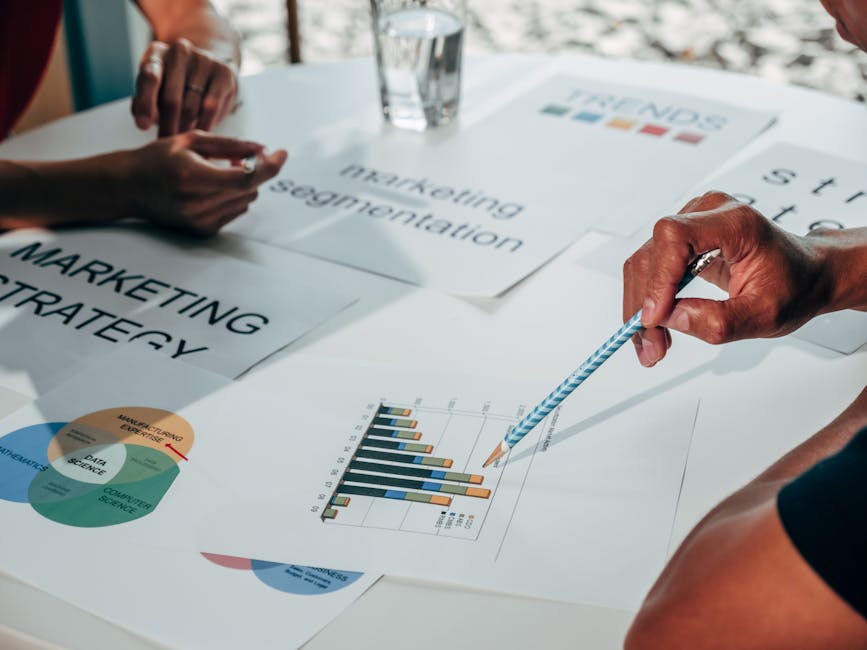
India B2B Marketing Playbook 2026: Strategies for Growth
Reading time: 15 minutes | Updated 2026
In the rapidly evolving Indian business landscape, mastering the **India B2B Marketing Playbook 2026** is not just an advantage—it’s a necessity for sustainable growth and market leadership.
This India B2B Marketing Playbook 2026 outlines essential strategies for businesses targeting the dynamic Indian market. It provides actionable insights for navigating digital transformation and achieving growth.
Ready to access verified marketing contacts? Browse our India B2B Marketing Playbook 2026 today.
Table of Contents
- Setting the Stage: The Evolving Landscape of India B2B Marketing Playbook 2026
- Core Strategies for B2B Success in India
- Leveraging Data & Technology in Your India B2B Marketing Playbook 2026
- Crafting Engaging Content & Outreach for the Indian Market
- Measuring ROI & Continuous Optimization
- Frequently Asked Questions
- Conclusion
Key Takeaways
- The India B2B marketing landscape in 2026 demands a data-driven, customer-centric approach focusing on digital transformation.
- Effective B2B strategies must integrate Account-Based Marketing (ABM), hyper-personalization, and multi-channel engagement.
- Leveraging high-quality B2B databases and marketing automation tools is crucial for scalable growth and compliance with regulations like the DPDP Act.
- Localized content and outreach, reflecting India’s diverse cultural and linguistic nuances, significantly enhance engagement and conversion rates.
- Continuous measurement of ROI, agile marketing adjustments, and embracing emerging technologies are vital for sustained success outlined in the India B2B Marketing Playbook 2026.
Setting the Stage: The Evolving Landscape of India B2B Marketing Playbook 2026
The Indian B2B market is undergoing a seismic shift, driven by rapid digitalization, evolving buyer behaviors, and a burgeoning entrepreneurial ecosystem. For any business aiming to thrive, understanding the nuances of this dynamic environment is paramount. The **India B2B Marketing Playbook 2026** serves as your essential guide, navigating you through the complexities and opportunities that lie ahead. In 2026, Indian businesses are more digitally savvy than ever, expecting personalized experiences and seamless interactions across multiple touchpoints. This necessitates a marketing approach that is agile, intelligent, and deeply integrated with sales efforts. The sheer scale and diversity of the Indian market—spanning various industries, geographies, and business sizes—present both challenges and immense potential.
The growth trajectory of India’s digital economy is unparalleled, with increased internet penetration and smartphone adoption fueling a surge in online B2B research and procurement. Decision-makers are increasingly relying on digital channels for vendor discovery, product evaluation, and peer recommendations. This shift means traditional marketing tactics alone are no longer sufficient. Businesses must embrace a holistic digital strategy that encompasses SEO, content marketing, social media, email marketing, and advanced analytics to capture attention and drive conversions. The India B2B Marketing Playbook 2026 emphasizes the importance of a unified approach, where every marketing activity contributes to a cohesive customer journey.
The competitive landscape is also intensifying. Both domestic and international players are vying for market share, making differentiation critical. Businesses need to articulate a clear value proposition and demonstrate tangible ROI to their B2B clients. This requires a deep understanding of target audience pain points and the ability to offer tailored solutions. Furthermore, the regulatory environment, particularly concerning data privacy, is becoming more stringent, demanding careful adherence to laws like the Digital Personal Data Protection (DPDP) Act. The India B2B Marketing Playbook 2026 integrates these considerations, ensuring your strategies are not only effective but also compliant and ethical.
The Digital Imperative in Indian B2B Marketing
The digital transformation isn’t just a trend; it’s the foundation of modern B2B marketing in India. From initial awareness to post-sale support, digital channels now dominate the buyer’s journey. This means investing in robust digital infrastructure, from websites and CRMs to marketing automation platforms, is non-negotiable for success.
Understanding the Indian B2B Buyer
The Indian B2B buyer is distinct. They value relationships, trust, and often prefer a consultative sales approach. While price is a factor, long-term value, reliability, and local support often outweigh immediate cost savings. The India B2B Marketing Playbook 2026 highlights the importance of understanding these cultural nuances.
Core Strategies for B2B Success in India
To truly excel in the Indian market, businesses must adopt a multi-faceted approach, incorporating proven strategies tailored to local conditions. The **India B2B Marketing Playbook 2026** advocates for a blend of data-driven insights, personalized outreach, and strategic content deployment to build strong relationships and generate high-quality leads. Central to this is the concept of Account-Based Marketing (ABM), where marketing and sales teams collaborate to target specific, high-value accounts with customized campaigns. Instead of casting a wide net, ABM focuses resources on accounts most likely to convert, maximizing ROI and fostering deeper client relationships.
Another cornerstone strategy is hyper-personalization. Generic marketing messages are easily ignored. In 2026, Indian B2B buyers expect content and offers that directly address their specific industry challenges, company size, and individual role within the organization. This level of personalization requires rich data and sophisticated segmentation capabilities. Furthermore, multi-channel engagement is crucial. Buyers interact across various platforms – email, LinkedIn, industry forums, webinars, and offline events. A successful strategy ensures a consistent and valuable presence across all these channels, providing a seamless experience. This requires a robust marketing database India to manage and segment your contacts effectively.
The role of thought leadership and educational content cannot be overstated. Indian businesses are keen to learn and innovate. Providing valuable insights, case studies, and actionable advice positions your company as an authority and a trusted partner. This content should be easily accessible and tailored to different stages of the buyer’s journey, from awareness to decision. The India B2B Marketing Playbook 2026 also emphasizes the importance of strong partnerships and alliances, which can open doors to new markets and create synergistic opportunities within the Indian ecosystem. Building a strong network, whether through industry associations like FICCI or strategic collaborations, is a powerful growth driver.
Comparison: Traditional vs. Modern B2B Marketing in India (2026)
| Feature | Traditional B2B Marketing | Modern B2B Marketing (India B2B Marketing Playbook 2026) |
|---|---|---|
| **Focus** | Mass outreach, product-centric | Targeted ABM, customer-centric, solution-oriented |
| **Channels** | Print ads, trade shows, cold calling | Digital platforms (SEO, social, email), webinars, personalized outreach |
| **Data Usage** | Limited, basic demographics | Extensive analytics, AI-driven insights, behavioral data |
| **Content** | General brochures, sales pitches | Personalized content, thought leadership, case studies, interactive formats |
| **Engagement** | One-way communication | Two-way dialogue, community building, relationship nurturing |
| **Measurement** | Sales volume, awareness | ROI, lead quality, customer lifetime value, engagement metrics |
Implementing Account-Based Marketing (ABM)
ABM is not just about personalization; it’s about a fundamental shift in strategy. It requires tight alignment between marketing and sales, shared goals, and a unified technology stack. Identifying the right accounts, understanding their specific needs, and crafting bespoke campaigns are critical for ABM success.
Leveraging Data & Technology in Your India B2B Marketing Playbook 2026
In the current B2B landscape, data is the new oil, and technology is the engine that refines it. For businesses following the **India B2B Marketing Playbook 2026**, harnessing high-quality data and sophisticated marketing technology is no longer optional but a fundamental requirement for competitive advantage. CRM systems, marketing automation platforms, and AI-powered analytics tools form the backbone of modern B2B operations, enabling businesses to understand their prospects, personalize communications at scale, and optimize campaign performance. The ability to collect, analyze, and act on data insights is what differentiates market leaders from the rest.
However, the effectiveness of any data-driven strategy hinges entirely on the quality and freshness of the underlying data. B2B contact data decays by 20-30% annually, making continuous data validation and enrichment essential. Relying on outdated or inaccurate data leads to wasted marketing spend, frustrated sales teams, and missed opportunities. This is where specialized data providers like BizPromo Databases become invaluable, offering verified and regularly updated B2B databases tailored to the Indian market. For instance, accessing robust B2B Lead Generation Databases India can significantly boost your outreach efforts.
Furthermore, compliance with data privacy regulations, particularly India’s Digital Personal Data Protection (DPDP) Act, 2023, is paramount. The DPDP Act mandates strict rules around the collection, processing, and storage of personal data, requiring businesses to obtain consent, ensure data accuracy, and implement robust security measures. Any India B2B Marketing Playbook 2026 must integrate these legal requirements into its core, ensuring all marketing activities are conducted ethically and legally. Marketing automation platforms, when properly configured, can assist in managing consent, tracking data lineage, and automating compliance processes, reducing risk and building trust with prospects. Leveraging a comprehensive Business Email Databases India from a reputable provider like BizPromo ensures you start with compliant, verified contacts.
The Power of Verified B2B Databases
High-quality B2B databases are the lifeblood of effective marketing and sales. They provide accurate contact information, firmographics, and technographics, allowing for precise targeting and segmentation. As mentioned, B2B contact data decays by 20-30% annually, highlighting the need for continuous updates. This is why partnering with trusted providers like Dun & Bradstreet or BizPromo Databases is crucial for maintaining data integrity and ensuring your outreach efforts reach the right decision-makers.
AI and Marketing Automation
AI-driven tools are revolutionizing how B2B marketing is executed. From predictive analytics that identify high-potential leads to AI-powered content generation and personalized email sequences, these technologies enhance efficiency and effectiveness. Integrating AI into your marketing automation platform allows for dynamic campaign adjustments and superior customer experiences, as outlined in the India B2B Marketing Playbook 2026.
Crafting Engaging Content & Outreach for the Indian Market
In the diverse and vibrant Indian market, generic content simply won’t cut it. The **India B2B Marketing Playbook 2026** emphasizes the critical need for localized, culturally sensitive, and highly relevant content that resonates with specific industry verticals and regional nuances. Indian businesses appreciate content that speaks directly to their local challenges, opportunities, and regulatory environment. This involves more than just translating text; it means adapting case studies, examples, and even humor to fit the Indian context. A manufacturing business in Gujarat, for example, could see significant benefits from content highlighting efficiency gains achieved by similar local businesses, rather than generic global examples. Such businesses often find that tailored solutions and local success stories build immediate credibility and trust.
Multi-channel outreach is another cornerstone strategy. While email remains a powerful tool, integrating it with LinkedIn, industry-specific forums, WhatsApp for business, and even localized offline events can create a more comprehensive and impactful engagement strategy. Each channel offers unique advantages, and a coordinated approach ensures maximum reach and frequency. Personalization extends beyond content to the outreach itself. A personalized email from a sales representative, referencing a recent industry event or a specific challenge faced by the prospect’s company, is far more likely to elicit a response than a mass-blast. This deep level of personalization is a core tenet of the India B2B Marketing Playbook 2026.
Pro Tip:
Pro Tip: When developing content for the Indian B2B market, prioritize regional languages and local success stories. Consider creating content in Hindi, Marathi, Bengali, or other relevant languages if your target audience is geographically concentrated. This significantly boosts engagement and demonstrates a commitment to understanding the local business ecosystem. Always ensure your content aligns with the principles of the India B2B Marketing Playbook 2026.
Localized Content Strategies
Effective localization goes beyond language. It involves understanding the local business culture, regulatory environment, and economic drivers. Content should address specific pain points relevant to Indian businesses, such as infrastructure challenges, specific compliance requirements, or regional market trends.
Multi-Channel Engagement & Personalization
Leveraging a blend of digital and traditional channels, tailored to the preferences of your target audience, is key. Personalization at every touchpoint—from subject lines to follow-up messages—significantly improves engagement rates and builds stronger relationships. This holistic approach is crucial for any successful India B2B Marketing Playbook 2026.
Measuring ROI & Continuous Optimization
The final, yet equally critical, component of any successful **India B2B Marketing Playbook 2026** is the ability to rigorously measure Return on Investment (ROI) and commit to continuous optimization. Marketing is not a one-time effort but an ongoing process of experimentation, learning, and refinement. In 2026, businesses must establish clear Key Performance Indicators (KPIs) for every campaign, from lead generation and conversion rates to customer acquisition cost (CAC) and customer lifetime value (CLTV). These metrics provide the data necessary to understand what’s working, what isn’t, and where resources should be reallocated.
Implementing robust analytics tools, such as Google Analytics 4, CRM dashboards, and marketing automation reports, is essential for tracking performance. These tools provide insights into website traffic, lead behavior, campaign effectiveness, and sales pipeline progression. The data collected should inform strategic decisions, allowing marketers to fine-tune their messaging, optimize their channels, and improve their targeting. An agile marketing approach, where campaigns are launched, tested, analyzed, and iterated upon quickly, is highly effective in the fast-paced Indian market. This iterative process ensures that your marketing efforts remain relevant and responsive to market changes.
Looking ahead, the India B2B Marketing Playbook 2026 must also consider emerging technologies and future trends. Artificial intelligence (AI) and machine learning (ML) will continue to play a larger role in predictive analytics, hyper-personalization, and even content creation. Voice search optimization, interactive content formats, and immersive experiences (like VR/AR in product demos) are also areas to watch. By staying abreast of these developments and being willing to experiment, businesses can ensure their marketing strategies remain cutting-edge and future-proof. Continuous learning and adaptation are the hallmarks of a truly effective India B2B Marketing Playbook 2026.
Key Performance Indicators (KPIs) for B2B Marketing
Beyond vanity metrics, focus on KPIs that directly impact revenue and business growth. These include qualified lead volume, lead-to-opportunity conversion rates, sales cycle length, marketing-influenced revenue, and customer retention rates. Each metric provides valuable insight into the efficacy of your India B2B Marketing Playbook 2026.
Agile Marketing & Future Trends
Embrace an agile methodology, allowing for quick adjustments based on performance data and market feedback. Stay informed about emerging technologies like AI, blockchain for data security, and advanced analytics to keep your India B2B Marketing Playbook 2026 ahead of the curve.
Looking for verified marketing contacts? Get instant access — trusted by 5,000+ Indian businesses.
Frequently Asked Questions About India B2B Marketing Playbook 2026
1. What Is India B2B Marketing Playbook 2026?
The India B2B Marketing Playbook 2026 is a comprehensive guide outlining strategic frameworks and actionable tactics for businesses to successfully engage and convert B2B clients in the dynamic Indian market. It covers digital transformation, data-driven approaches, compliance, and localized content, ensuring marketers are equipped with the most effective strategies for the current year and beyond. This playbook emphasizes adapting global best practices to India’s unique business environment.
2. How Does India B2B Marketing Playbook 2026 Comply With DPDP Act?
The India B2B Marketing Playbook 2026 integrates compliance with the Digital Personal Data Protection (DPDP) Act, 2023, by emphasizing consent-based marketing, transparent data collection practices, and secure data handling. It recommends using verified and compliant B2B databases, ensuring explicit consent for communication, and implementing robust data privacy policies. All strategies are designed to protect personal data and maintain legal integrity in marketing efforts.
3. How Can I Ensure Data Quality for My B2B Marketing Campaigns?
Ensuring data quality is paramount. The India B2B Marketing Playbook 2026 recommends partnering with reputable data providers like BizPromo Databases, who offer verified and regularly updated contact information. Implement data hygiene practices, including periodic data cleansing, validation, and enrichment. Utilize CRM and marketing automation tools with built-in data quality features to prevent decay and maintain accuracy, crucial for effective marketing.
4. What ROI Can I Expect from Implementing the India B2B Marketing Playbook 2026?
While specific ROI varies by industry and implementation, businesses adopting the India B2B Marketing Playbook 2026 often experience significant improvements in lead quality, conversion rates, and customer acquisition costs. By focusing on targeted strategies, personalization, and data-driven optimization, companies can expect a higher return on their marketing investments, leading to sustainable revenue growth and enhanced market share within India.
5. What Are the Best Outreach Channels for B2B in India?
The India B2B Marketing Playbook 2026 suggests a multi-channel approach. Key channels include targeted email campaigns, LinkedIn outreach, industry-specific webinars, and content marketing (blogs, whitepapers). Additionally, participation in relevant industry events and leveraging business WhatsApp for direct engagement can be highly effective. The optimal mix depends on your target audience and specific industry vertical.
6. How Do I Keep My B2B Marketing Data Fresh and Relevant?
Maintaining data freshness involves a continuous process of validation and update. The India B2B Marketing Playbook 2026 advises regular data audits, integrating real-time data enrichment tools, and partnering with data providers that offer ongoing data maintenance. Encourage feedback from sales teams on data accuracy and leverage marketing automation to track engagement, which can signal data decay.
7. How Can BizPromo Databases Help Me Implement the India B2B Marketing Playbook 2026?
BizPromo Databases provides verified, industry-wise B2B contact databases essential for implementing the India B2B Marketing Playbook 2026. Our accurate and up-to-date data helps you identify and target high-potential prospects efficiently, ensuring your marketing messages reach the right decision-makers. This foundational data empowers your ABM and lead generation strategies. Get started with BizPromo Databases today.
Conclusion
The India B2B Marketing Playbook 2026 provides a robust framework for navigating the complexities and capitalizing on the immense opportunities within the Indian market. By embracing data-driven strategies, leveraging advanced technology, prioritizing compliance, and delivering highly localized, personalized content, businesses can achieve unparalleled growth. The future of B2B marketing in India is dynamic, demanding agility and a commitment to continuous optimization.
Ready to accelerate your marketing sales? Request access to our verified India B2B Marketing Playbook 2026 today.