 (+91) 7065274718



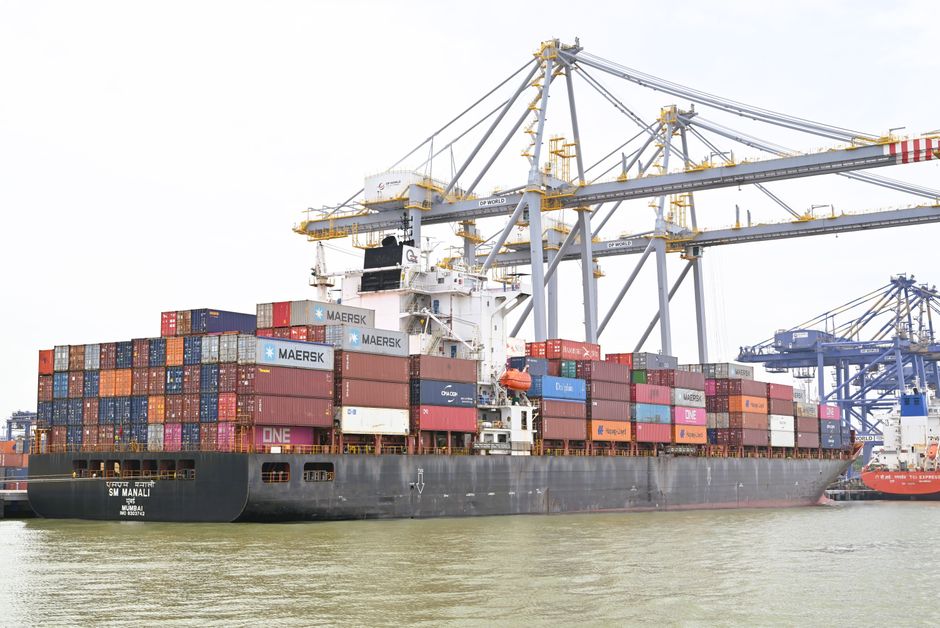
Import Industry database India: 7 Proven Strategies for B2B Growth
Reading time: 10 minutes | Updated 2026
Harnessing a reliable Import Industry database India is critical for businesses aiming to penetrate the dynamic Indian B2B market, which is projected to grow significantly by 2030. This comprehensive guide explores how targeted data empowers your sales and marketing efforts.
Ready to access verified Import Industry contacts? Browse our Import Industry database India and connect with decision-makers today.
Table of Contents
- What Is Import Industry database India?
- Types of Import Industry Databases in India
- How to Evaluate Import Industry Database Quality
- How to Use Import Industry database India for B2B Outreach
- Import Industry Landscape and Trends in India
- Compliance and Data Protection
- Frequently Asked Questions
- Conclusion
Key Takeaways
- A high-quality Import Industry database India is essential for precise B2B targeting.
- Understanding different types of this data asset helps in selecting the right tool.
- Data quality, compliance, and update frequency are critical evaluation factors.
- Effective strategies leverage the database for lead generation, market research, and partnership building.
- The Indian import sector offers vast opportunities for businesses with reliable contact database.
What Is Import Industry database India?
An Import Industry database India is a meticulously compiled collection of business contacts and company information specifically pertaining to entities involved in importing goods into India. This includes importers, distributors, wholesalers, and even manufacturers who source raw materials or components from international markets. Such a database serves as a vital resource for any business aiming to sell products or services to the Indian import sector.
This data asset typically contains crucial details. You can expect company names, contact persons, their designations, email addresses, phone numbers, and sometimes even import-export codes (IEC). Furthermore, it may include product categories imported, company size, and geographical location within India. Therefore, it provides a panoramic view of the target market.
Leveraging such a specialized B2B directory offers unparalleled precision. It allows businesses to move beyond generic outreach and connect directly with decision-makers who have a vested interest in international trade. This precision significantly enhances the effectiveness of marketing campaigns and sales initiatives.
For example, a logistics company seeking to offer freight forwarding services can use this list to identify key import houses in Mumbai or Chennai. Similarly, a software provider specializing in supply chain management can pinpoint import businesses grappling with inventory optimization. The strategic value of this database cannot be overstated in today’s competitive landscape.
Types of Import Industry Databases in India
The landscape of B2B databases for the import sector in India is diverse, catering to various specific needs. Understanding these distinctions helps businesses choose the most appropriate resource. Firstly, there are general Industry Wise B2B Databases India that include import companies as a segment. These offer broad coverage but might lack deep specialization.
Secondly, highly specialized databases focus exclusively on import activities. These often segment data by product category, such as electronics importers, textile importers, or machinery importers. Such niche databases provide granular detail, which is invaluable for highly targeted campaigns. They are particularly useful for suppliers of specific goods or services.
Thirdly, some databases integrate with Exporter Importer Databases India. These comprehensive platforms offer a dual perspective, allowing businesses to identify potential partners on both sides of the trade spectrum. This integrated approach is beneficial for companies involved in global trade facilitation or those offering services to both exporters and importers.
Furthermore, databases can be categorized by their update frequency and verification methods. Some are static, offering a snapshot at a particular time, while others are dynamic, with continuous updates. The latter are always preferred due to the rapid changes in business contact information. The best providers prioritize data freshness and accuracy.
Finally, there are regional or state-specific import databases, focusing on companies within particular Indian states or major trade hubs. For businesses with localized strategies, these databases offer highly concentrated and relevant contacts. Each type of database serves a unique purpose, and the choice depends on the specific goals and scale of your outreach.
How to Evaluate Import Industry Database Quality
Selecting a high-quality Import Industry database India is paramount for successful B2B engagement. Poor data can lead to wasted resources, low conversion rates, and reputational damage. Therefore, a rigorous evaluation process is essential before making a purchase. Several key factors must be considered to ensure you invest in a valuable asset.
Firstly, data accuracy and freshness are non-negotiable. According to Dun & Bradstreet, B2B contact data decays by 20–30% annually. Ask prospective providers about their data verification processes and update cycles. A reliable provider will have a robust system for regular data validation, ensuring the contact details are current.
Secondly, examine the depth and breadth of information provided. Does the database offer more than just names and email addresses? Look for details like company size, industry classification (e.g., HS codes for specific imports), revenue, key decision-maker titles, and geographical location. Richer data allows for more sophisticated segmentation and personalization.
Thirdly, consider the source of the data and its compliance with regulations. Ensure the data is legally acquired and adheres to Indian data protection laws, including the DPDP Act. Transparency about data sourcing builds trust and mitigates legal risks. Reputable providers will be open about their methodologies.
Finally, assess the usability and format of the database. Is it easy to integrate with your existing CRM or marketing automation tools? Does it offer flexible filtering and search capabilities? A user-friendly interface significantly enhances productivity and allows your teams to extract maximum value from the data. Compare different providers based on these critical quality metrics.
| Feature | Low-Quality Database | High-Quality Database |
|---|---|---|
| Data Accuracy | <70% (High Bounce Rate) | >90% (Low Bounce Rate) |
| Update Frequency | Annually or Seldom | Quarterly or Monthly |
| Data Depth | Basic contacts (Name, Email) | Detailed profiles (Title, Phone, Company Size, Product Category, IEC) |
| Compliance | Unclear/Risky | DPDP Act Compliant, Opt-in Verified |
| Segmentation Options | Limited | Extensive (by product, region, company size) |
| Integration | Manual Export/Import | CRM/Marketing Automation Friendly |
How to Use Import Industry database India for B2B Outreach
An Import Industry database India is a powerful tool, but its effectiveness hinges on how strategically it is utilized for B2B outreach. Merely having the data is not enough; businesses must employ smart tactics to convert contacts into clients. The following strategies are proven to maximize your return on investment from this valuable asset.
Firstly, leverage the database for highly segmented email marketing campaigns. Instead of generic blasts, segment your prospects based on their imported products, company size, or location. A software company, for instance, can target textile importers in Surat with an email about inventory management solutions tailored for their specific industry. This personalization dramatically increases engagement rates.
Secondly, integrate the database with your CRM for seamless lead management and sales prospecting. This allows your sales team to track interactions, qualify leads, and nurture relationships systematically. A well-managed B2B Lead Generation Databases India is the backbone of any successful sales pipeline. Use the detailed information to craft compelling sales pitches that resonate with specific pain points.
Thirdly, utilize the contact database for telemarketing and direct outreach. With verified phone numbers and decision-maker titles, your sales representatives can initiate meaningful conversations. A direct approach can often cut through the noise of digital marketing, especially for high-value B2B deals. Role-play and prepare your team for effective cold calling strategies.
Fourthly, use the data for market research and competitive analysis. By analyzing the types of companies and products within the database, you can identify emerging trends, underserved niches, and potential areas for expansion. This strategic insight can inform product development and market entry decisions. Furthermore, understanding your target market allows for more effective positioning.
Pro Tip: Always cross-reference your Import Industry database India contacts with public professional networks like LinkedIn to gain deeper insights into their roles and recent activities before outreach. This adds another layer of personalization.
Finally, consider using the database for building strategic partnerships. Identify complementary businesses within the import sector that could benefit from collaboration. This could involve joint ventures, referral programs, or co-marketing initiatives. The power of this data asset extends beyond direct sales.
Looking for verified Import Industry contacts? Get instant access to our Import Industry database India — trusted by 5,000+ Indian businesses.
Import Industry Landscape and Trends in India
India’s import industry is a colossal and continuously evolving sector, driven by a growing economy, increasing consumer demand, and robust manufacturing activities. Understanding its current landscape and future trends is crucial for businesses leveraging an Import Industry database India. The Indian government’s ‘Make in India’ initiative, while promoting domestic production, also necessitates the import of advanced machinery, technology, and raw materials.
Current trends indicate a diversification of import sources and products. While traditional imports like crude oil, gold, and electronics remain significant, there’s a rising demand for specialized industrial machinery, chemicals, and high-tech components. The automotive sector, pharmaceuticals, and renewable energy industries are particularly strong drivers of imports, requiring a steady supply of international inputs. Organizations like FICCI, for instance, actively advocates for policy reforms that facilitate smoother international trade and investment, reflecting the dynamic nature of the sector.
Digitalization is also transforming the import industry. E-commerce platforms are simplifying cross-border transactions, leading to an increase in smaller, more frequent imports. This shift creates new opportunities for logistics providers, customs brokers, and payment solution companies. Furthermore, increased focus on sustainability and green technologies means a growing market for eco-friendly imported products and industrial solutions.
A real-world Indian business scenario illustrates this: a Chennai-based electronics manufacturer, ‘ElectraTech Solutions’, frequently imports specialized semiconductor chips from Taiwan and South Korea. They need a reliable supply chain partner to ensure timely delivery and customs clearance. A logistics provider with an up-to-date Import Industry database India can identify ElectraTech Solutions and directly offer their tailored services, highlighting expertise in handling sensitive electronic components and navigating complex customs regulations efficiently. This targeted approach is far more effective than generic marketing.
Looking ahead, infrastructure development, government policies promoting trade, and a burgeoning middle class will continue to fuel the import sector. Businesses that stay informed about these trends and utilize precise data will be well-positioned for growth in this vibrant market.
Compliance and Data Protection
Navigating the regulatory landscape is paramount when utilizing an Import Industry database India. Data protection and privacy laws are becoming increasingly stringent globally, and India is no exception. Ensuring your database acquisition and usage practices are compliant is not just good business; it’s a legal necessity that safeguards your reputation and avoids penalties.
The Digital Personal Data Protection Act (DPDP Act), enacted in 2023, is India’s comprehensive data privacy law. It governs the processing of digital personal data within India and applies to businesses that collect, store, or process personal data of Indian residents. Key provisions include the requirement for explicit consent from data principals, data minimization, purpose limitation, and robust security measures. This means any Import Industry database India you use must be sourced and maintained in a manner that respects these principles.
When acquiring a contact database, always verify that the provider adheres to the DPDP Act. This includes ensuring they have obtained consent for collecting and sharing contact information, especially email addresses and phone numbers. Transparency about data sourcing and processing is a hallmark of a reputable provider. Avoid databases that offer suspiciously low prices or lack clear information on their compliance practices.
Furthermore, your internal processes for using the database must also be compliant. This involves implementing robust data security measures to protect the information from unauthorized access or breaches. Train your sales and marketing teams on the importance of data privacy and the specific requirements of the DPDP Act. Regularly review your data handling policies to ensure they remain current with evolving regulations.
Failure to comply with the DPDP Act can result in significant fines and reputational damage. Therefore, prioritize working with providers like BizPromo Databases who commit to legal and ethical data practices. This commitment ensures that your B2B outreach remains effective and legally sound.
Frequently Asked Questions About Import Industry database India
1. What Is Import Industry database India and Why Do Indian Businesses Need It?
An Import Industry database India is a curated compilation of contact and company information for businesses actively involved in importing goods into India. Indian businesses need this specialized database to precisely identify and connect with potential clients, partners, or suppliers within the import sector. It streamlines lead generation, enables targeted marketing campaigns, and facilitates market research, offering a competitive edge in a fast-growing economy. This list helps companies avoid generic outreach and focus on relevant decision-makers.
2. How Does Import Industry database India Comply With Indian Data Regulations?
A reputable Import Industry database India provider ensures compliance by adhering to the Digital Personal Data Protection Act (DPDP Act) of 2023. This involves obtaining explicit consent for data collection, ensuring data minimization, and maintaining robust security measures. BizPromo Databases, for instance, verifies contacts through legitimate channels, ensures opt-in practices where required, and transparently details its data sourcing methods. This commitment helps businesses avoid legal pitfalls and maintain ethical outreach practices.
3. How Can I Ensure the Quality and Accuracy of the Import Industry Database?
To ensure database quality, prioritize providers who detail their data verification and update processes. Look for regular refresh cycles (quarterly or monthly) and multi-point verification methods (e.g., email verification, phone validation, public records). Request sample data to assess its relevance and completeness. High-quality databases provide detailed profiles, including decision-maker titles and product categories, not just basic contact info. A commitment to transparency regarding data sources is also a strong indicator of quality.
4. What Is the Typical ROI from Investing in an Import Industry Database?
The ROI from an Import Industry database can be substantial, primarily through increased sales efficiency and reduced marketing costs. By targeting highly relevant prospects, businesses experience higher conversion rates and shorter sales cycles. This list minimizes wasted efforts on unqualified leads, allowing sales teams to focus on genuine opportunities. The precise data leads to more personalized campaigns, boosting engagement and ultimately driving revenue growth for your B2B outreach.
5. How Can I Effectively Use the Import Industry Database for B2B Outreach Campaigns?
Effectively using the Import Industry database involves strategic segmentation and personalization. Divide your prospects by industry, import volume, or product type. Craft tailored email campaigns, direct mail, or telemarketing scripts that address their specific business needs. Integrate the database with your CRM for seamless lead tracking and nurturing. Use the detailed information to build rapport and demonstrate how your products or services can solve their unique challenges within the import sector.
6. How Often Is the Data in an Import Industry Database Updated?
The frequency of data updates is a critical factor for any Import Industry database. Reputable providers typically update their data on a quarterly or monthly basis to combat natural data decay. Business information, contacts, and roles change rapidly, especially in dynamic markets like India. Regular updates ensure that the database remains accurate, minimizing bounce rates for emails and ensuring your outreach efforts reach the correct decision-makers, thus maximizing campaign effectiveness.
7. How Do I Get Started with Acquiring an Import Industry Database for My Business?
Getting started is straightforward. First, define your target criteria, such as specific import categories, regions, or company sizes. Then, research reputable providers like BizPromo Databases, focusing on their data quality, compliance, and update frequency. Request a consultation or demo to see how their database aligns with your needs. Once satisfied, select a package that fits your budget and operational scale. Ready to accelerate your Import Industry B2B sales? Request access to our verified Import Industry database India today.
Conclusion
In the competitive Indian B2B landscape, a premium Import Industry database India is not just an advantage; it’s a necessity. By providing verified, accurate, and compliant contact information, it empowers businesses to execute targeted marketing, streamline sales, and forge valuable partnerships. Embrace the power of data-driven strategies to unlock unparalleled growth in India’s thriving import sector.
Ready to accelerate your Import Industry B2B sales? Request access to our verified Import Industry database India and connect with Indian Import Industry decision-makers today.