 (+91) 7065274718




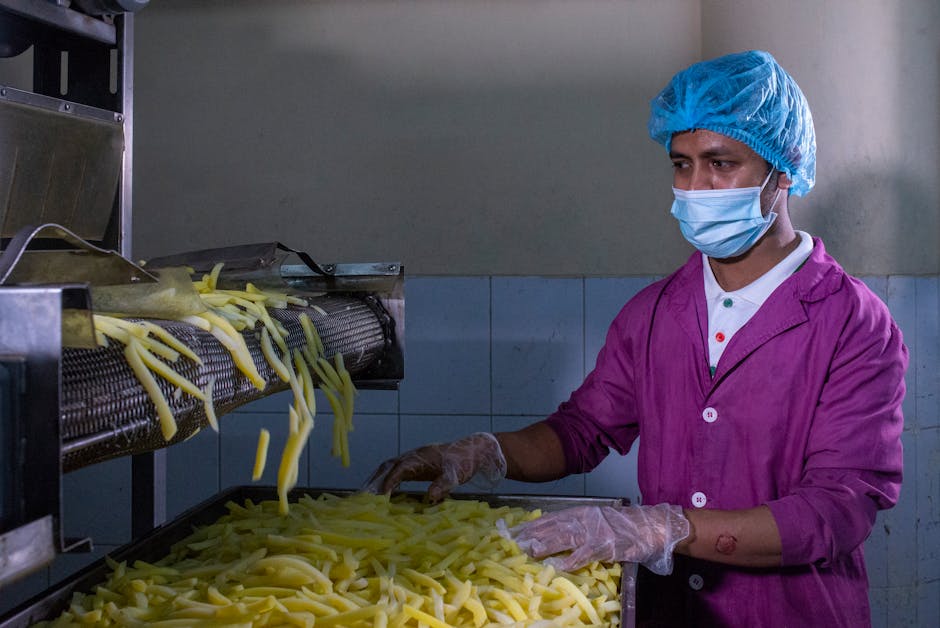
Food Processing Manufacturer Leads Delhi
Navigating Delhi’s competitive food processing sector to find high-potential buyers and partners can be a significant challenge. Businesses often struggle to identify accurate and verified manufacturer leads, hindering market expansion and the introduction of new products or services.
Key Takeaways
- Leverage specialized B2B databases for precise targeting of food processors in Delhi.
- Understand the regulatory landscape, including FSSAI and the DPDP Act, for compliant outreach.
- Focus on segmenting leads based on product categories, scale of operations, and technological adoption.
- Utilize industry associations like APEDA and CII for networking and lead validation.
- Implement a multi-channel outreach strategy combining email, calls, and industry events.
- Prioritize data hygiene and regular updates to combat B2B contact data decay.
- Analyze market trends in Delhi’s food industry to tailor your value proposition effectively.
- Develop compelling case studies showcasing how your solutions benefit food manufacturers.
- Explore government initiatives like the PLI scheme to identify growth-oriented manufacturers.
- Personalize communication to address specific pain points of Delhi-based food processors.
- Integrate CRM systems for efficient lead management and conversion tracking.
1. Leveraging Specialized Databases for Accurate Food Processing Manufacturer Leads Delhi
Identifying reliable food processing manufacturer leads in Delhi requires more than just generic contact lists. Businesses need highly segmented, verified data to ensure their outreach efforts are effective and yield tangible results.
The Imperative of Verified Data for Delhi’s Food Sector
Delhi’s food sector is dynamic, with a mix of established players and emerging enterprises. Generic databases often contain outdated information, leading to wasted resources and missed opportunities. A specialized database offers a granular view, allowing you to filter by specific food categories, company size, and even production capabilities.
According to Dun & Bradstreet, B2B contact data decays by 20–30% annually. This highlights the critical need for regularly updated and verified sources to maintain an effective lead pipeline. Investing in a robust database ensures your sales and marketing teams connect with active, relevant prospects, reducing bounce rates and improving engagement.
Tailoring Your Search Criteria for Optimal Results
Effective lead generation begins with precise targeting. When seeking food processing leads in Delhi, consider filtering by sub-sectors like dairy, bakery, snacks, beverages, or ready-to-eat meals. This level of detail allows you to customize your messaging and offerings to resonate directly with the specific needs of each manufacturer.
- Filter by product specialization (e.g., organic, gluten-free, traditional Indian snacks).
- Segment by company revenue or employee size to match your ideal client profile.
- Identify key decision-makers within organizations for direct engagement.
2. Navigating Regulatory Compliance and Ethical Data Practices
Operating in the Indian B2B landscape demands a keen understanding of regulatory frameworks, especially concerning data privacy. Ethical data acquisition and usage are paramount for sustainable lead generation.
Adhering to India’s Digital Personal Data Protection Act (DPDP Act)
The Digital Personal Data Protection Act (DPDP Act) 2023 significantly impacts how businesses collect, store, and process personal data in India. For companies seeking food processing leads in Delhi, this means ensuring all acquired data is compliant with consent requirements and data protection principles. It mandates transparency and accountability, requiring businesses to have legitimate grounds for processing personal data and to protect it from breaches.
Non-compliance can lead to substantial penalties and reputational damage. Therefore, it is crucial to partner with database providers who adhere strictly to these regulations, ensuring their data collection methods are lawful and consent-driven. This approach builds trust and safeguards your business operations.
Best Practices for Data Privacy and Consent
Beyond legal compliance, adopting best practices for data privacy fosters trust with potential leads. Always ensure that any communication initiated uses data obtained through legitimate means, respecting individuals’ privacy choices. Providing clear opt-out options and maintaining transparent data handling policies are essential.
- Verify data sources for DPDP Act compliance before use.
- Implement robust data security measures to protect acquired lead information.
- Regularly audit data practices to ensure ongoing adherence to privacy regulations.
3. Identifying Key Decision-Makers and Influencers in Food Processing
Successful B2B outreach hinges on connecting with the right individuals within target organizations. For food processing leads in Delhi, this means understanding the internal hierarchy and identifying who holds the purchasing power or influences strategic decisions.
Mapping Organizational Structures in Delhi’s Food Sector
Food processors in Delhi, like elsewhere, have diverse organizational structures. Decision-makers can range from procurement managers and R&D heads to CEOs and plant managers, depending on the product or service you offer. For instance, a packaging supplier might target procurement, while a food safety consultant would approach quality assurance or top management.
Understanding these roles helps in crafting highly relevant outreach messages. Generic emails to a “sales@” address are often less effective than personalized communication to a specific individual responsible for the relevant domain. This precision significantly boosts engagement rates and conversion potential.
Strategies for Direct Engagement with Key Stakeholders
Once key decision-makers are identified, the next step is to engage them effectively. This involves a multi-pronged approach that respects their time and offers clear value. Industry events, webinars, and personalized LinkedIn outreach can be particularly effective in Delhi’s professional circles.
- Customize your pitch to address the specific challenges and goals of their role.
- Highlight how your solution directly impacts their department’s KPIs (e.g., cost savings, efficiency, quality).
- Leverage mutual connections for warm introductions where possible.
4. Analyzing Market Trends and Opportunities in Delhi’s Food Processing Sector
Staying informed about the latest market trends is crucial for any business seeking to engage with food processing leads in Delhi. This foresight allows for proactive engagement and tailored solutions that resonate with current industry needs.
Emerging Trends Shaping Delhi’s Food Processing Industry
Delhi’s food processing sector is influenced by several trends, including a growing demand for convenience foods, health-conscious products, and sustainable practices. There’s also a significant push towards automation, food safety certifications, and the adoption of advanced packaging solutions. Manufacturers are increasingly looking for ways to enhance efficiency, reduce waste, and meet evolving consumer preferences.
Understanding these shifts helps in positioning your products or services effectively. For example, if you offer food-grade machinery, highlighting its energy efficiency or compliance with FSSAI standards would be particularly appealing to Delhi-based manufacturers.
Identifying Untapped Niches and Growth Areas
Beyond broad trends, identifying specific growth niches can provide a competitive edge. This could include manufacturers specializing in plant-based alternatives, fortified foods, or functional ingredients. Delhi’s diverse consumer base often drives demand for innovative products, creating opportunities for suppliers who can cater to these specific segments.
- Monitor reports from industry bodies like APEDA (Agricultural and Processed Food Products Export Development Authority) for sector-specific insights.
- Attend local food industry expos and trade fairs in Delhi to observe new product launches and technologies.
- Conduct primary research to understand the pain points and aspirations of local manufacturers.
5. Crafting Compelling Value Propositions for Food Processors
A generic sales pitch rarely converts. To effectively engage food processing leads in Delhi, you must articulate a clear, concise, and compelling value proposition that addresses their unique challenges and aspirations.
Understanding the Pain Points of Delhi-Based Manufacturers
Food processors in Delhi often face challenges related to raw material sourcing, supply chain complexities, adherence to stringent quality and safety standards (FSSAI), managing production costs, and navigating competitive market dynamics. They are constantly seeking solutions to improve operational efficiency, extend product shelf life, reduce wastage, and innovate their product lines to capture market share.
Your value proposition should directly speak to these pain points. For instance, if you offer cold chain logistics, emphasize how your service minimizes spoilage and ensures compliance, directly impacting their bottom line and reputation.
Developing Tailored Solutions and Messaging
Once pain points are understood, tailor your solutions and messaging. Instead of listing features, focus on benefits. How does your ingredient improve flavor stability? How does your packaging solution extend shelf life and reduce material costs? Providing concrete examples and potential ROI strengthens your case.
- Showcase specific case studies or success stories relevant to the food processing sector.
- Quantify the benefits wherever possible (e.g., “reduce energy consumption by 15%,” “increase production output by 20%”).
- Offer pilot programs or demonstrations to prove the value of your offering.
Pro Tip: When engaging food processing leads in Delhi, always refer to specific FSSAI regulations or local market conditions in your pitch to demonstrate a deep understanding of their operating environment.
6. Building Relationships Through Industry Associations and Events
Networking and engagement within the food processing community are invaluable for uncovering new food processing leads in Delhi and establishing credibility. Industry associations and local events provide platforms for meaningful connections.
Leveraging Indian Industry Bodies for Networking
Organizations like the Confederation of Indian Industry (CII), Federation of Indian Chambers of Commerce & Industry (FICCI), and APEDA play crucial roles in the Indian food processing sector. They host seminars, workshops, and trade missions that bring together key stakeholders. Participating in these events offers unparalleled opportunities to meet decision-makers, understand industry trends firsthand, and even find potential partners.
Becoming an active member or attending their events can significantly expand your network and provide insights into the challenges and priorities of Delhi-based manufacturers, facilitating warmer introductions than cold outreach.
Participating in Delhi-Specific Trade Fairs and Expos
Delhi frequently hosts specialized food and beverage trade fairs, such as Annapoorna – ANUFOOD India or Food Hospitality World. These events are prime locations to meet a concentrated number of food processing leads in Delhi, showcase your products, and gather market intelligence. Direct interaction allows for immediate feedback and the opportunity to demonstrate your value proposition face-to-face.
- Prepare compelling product demonstrations or informative presentations for trade fair attendees.
- Follow up promptly with all contacts made, personalizing your communication based on your conversations.
- Collaborate with other non-competing businesses at events to expand your reach.
Ready to leverage verified food processing manufacturer leads in Delhi? Explore our verified B2B databases built for Indian businesses.
7. Implementing a Multi-Channel Outreach Strategy
Relying on a single communication channel limits your reach and effectiveness. A multi-channel strategy ensures you connect with food processors through their preferred modes of communication, maximizing engagement.
Combining Digital and Traditional Outreach Methods
An effective strategy blends digital tools like email marketing, LinkedIn outreach, and targeted online advertising with traditional methods such as direct mail, industry magazine advertisements, and phone calls. For B2B, a personalized email followed by a targeted LinkedIn connection request, and then a phone call, often yields better results than any single approach.
The key is consistency and personalization across all channels. Ensure your brand message is cohesive, and each interaction adds value, moving the prospect further down the sales funnel. This integrated approach builds familiarity and trust over time.
Optimizing for Engagement and Conversion
Each channel requires specific optimization. For email campaigns, focus on compelling subject lines, clear calls to action, and mobile responsiveness. For LinkedIn, personalize connection requests and engage with relevant industry content. Phone calls should be well-researched, focusing on offering solutions rather than just selling products.
- Track engagement metrics for each channel to identify what works best for your target audience.
- A/B test different messages and offers to continuously improve conversion rates.
- Provide multiple ways for leads to engage, such as scheduling a demo or downloading a resource.
8. Harnessing Government Initiatives and Schemes
The Indian government actively supports the food processing sector through various schemes and policies. Understanding these initiatives can help identify growth-oriented food processors and align your offerings with their strategic objectives.
Identifying Manufacturers Benefiting from PLI and PMFME Schemes
Schemes like the Production Linked Incentive (PLI) Scheme for Food Processing Industry and the PM Formalisation of Micro Food Processing Enterprises (PMFME) Scheme are designed to boost domestic manufacturing, enhance competitiveness, and support small and micro-enterprises. Manufacturers availing these benefits are often in expansion mode, investing in new technology, or looking to diversify their product portfolio.
Targeting these manufacturers can be highly strategic. They are likely to have funds allocated for upgrades, new equipment, or improved processes, making them prime prospects for suppliers of machinery, ingredients, packaging, or consulting services. Information on beneficiaries can sometimes be found through official government portals or industry reports.
Aligning Your Offerings with National Food Processing Goals
The government’s focus on food safety, quality, and export promotion creates significant opportunities. If your product or service helps manufacturers achieve higher FSSAI standards, comply with international export norms, or enhance their supply chain efficiency, you are directly contributing to national objectives. This alignment can be a powerful selling point.
- Research government portals like the Ministry of Food Processing Industries (MoFPI) for scheme details and beneficiary lists.
- Highlight how your solutions help manufacturers meet scheme criteria or leverage their benefits.
- Position your company as a strategic partner in their growth journey, supported by government initiatives.
9. Utilizing CRM Systems for Efficient Lead Management
Managing a growing pipeline of food processing companies without a robust system can lead to inefficiencies and missed opportunities. Customer Relationship Management (CRM) systems are indispensable for organizing, tracking, and nurturing leads effectively.
Streamlining Lead Tracking and Nurturing Processes
A CRM system centralizes all lead information, from initial contact details to communication history, meeting notes, and deal stages. This allows sales teams to have a complete 360-degree view of each prospect, ensuring personalized and timely follow-ups. For food processors, this means tracking specific requirements, understanding their production cycles, and tailoring proposals accurately.
Effective lead nurturing involves segmenting leads based on their engagement level and providing relevant content at each stage. A CRM helps automate this process, ensuring no lead falls through the cracks and they receive valuable information consistently.
Enhancing Collaboration and Performance Analytics
CRM platforms also foster better collaboration among sales, marketing, and customer service teams. Everyone has access to the same up-to-date information, preventing duplicate efforts and ensuring a seamless customer experience. Furthermore, CRM analytics provide insights into lead conversion rates, sales pipeline health, and team performance, allowing for data-driven strategic adjustments.
- Implement a CRM system that integrates with your existing communication tools.
- Define clear lead qualification criteria and sales stages within your CRM.
- Regularly analyze CRM data to identify bottlenecks and optimize your sales process.
10. Developing a Robust Content Strategy for Thought Leadership
Establishing your company as a thought leader in the food processing sector can significantly attract high-quality food processing companies. Content marketing plays a pivotal role in this, building credibility and trust long before a direct sales pitch.
Creating Value-Driven Content for Food Processors
Develop content that addresses the specific challenges and interests of food processors. This could include articles on optimizing supply chains, navigating FSSAI regulations, adopting sustainable packaging solutions, or leveraging automation in production. Case studies demonstrating how your solutions have helped other Indian food businesses achieve measurable results are particularly powerful.
For example, a company supplying industrial ovens could publish an article on “Energy-Efficient Baking Solutions for Delhi’s Bakery Manufacturers,” offering practical tips and showcasing their technology’s benefits. This positions you as an expert resource.
Distributing Content Across Relevant Platforms
Once created, distribute your content strategically. Share articles on your company blog, LinkedIn, and relevant industry forums. Consider guest posting on industry news sites or collaborating with trade publications that cater to the food processing sector. Webinars and whitepapers also serve as excellent lead magnets, capturing contact information from interested prospects.
- Develop an editorial calendar aligned with industry events and trends.
- Promote your content through targeted email campaigns to your existing database.
- Engage with comments and questions on your content to foster community and demonstrate expertise.
11. Real-World Application: A Success Story with Food Processing Leads
Understanding how a B2B database translates into real business growth provides tangible proof of its value. Consider a practical scenario where a company effectively utilized targeted leads.
Case Study: Boosting Ingredient Sales for a Flavor House
An Indian flavor and fragrance house, based in Bengaluru, aimed to expand its market share for savory flavors in North India. Their primary challenge was identifying active food processing manufacturers that specialized in snack foods and ready-to-eat meals. Traditional methods yielded generic contacts and low conversion rates.
They partnered with a specialized B2B database provider, specifically requesting food processing companies with filters for snack production and product innovation. The database delivered a curated list of 250 manufacturers, complete with verified contact details for R&D heads and procurement managers. This precision allowed their sales team to focus on highly relevant prospects.
Achieving Tangible Results Through Targeted Outreach
With the verified leads, the flavor house launched a targeted email campaign highlighting their new range of ethnic savory flavors, followed by personalized phone calls. Within three months, they secured meetings with 30 key manufacturers. A Delhi-based snack producer, struggling to achieve a consistent spicy flavor profile for their popular potato chips, was particularly impressed. Through a series of product trials and consultations, the flavor house secured a significant supply contract, resulting in a 15% increase in their North India sales pipeline.
- The database provided specific, actionable food processing leads, reducing research time.
- Targeted outreach led to higher engagement and a more efficient sales cycle.
- The focus on specific product categories (snacks, ready-to-eat) ensured relevance and higher conversion.
Conclusion
Successfully navigating the Delhi food processing sector requires a strategic approach, combining accurate lead generation with a deep understanding of market dynamics and regulatory compliance. By leveraging specialized B2B databases, adhering to data privacy laws like the DPDP Act, and engaging with industry bodies, businesses can effectively identify and connect with high-potential food processing manufacturers. Crafting compelling value propositions, implementing multi-channel outreach, and utilizing CRM systems further enhance the chances of converting leads into lasting partnerships. Staying informed about government initiatives and fostering thought leadership through valuable content will position your business as a trusted partner in this dynamic industry.
Ready to unlock your potential in Delhi’s food processing market? Explore Verified B2B Databases to find your next high-value clients.